




Experience of Yoga
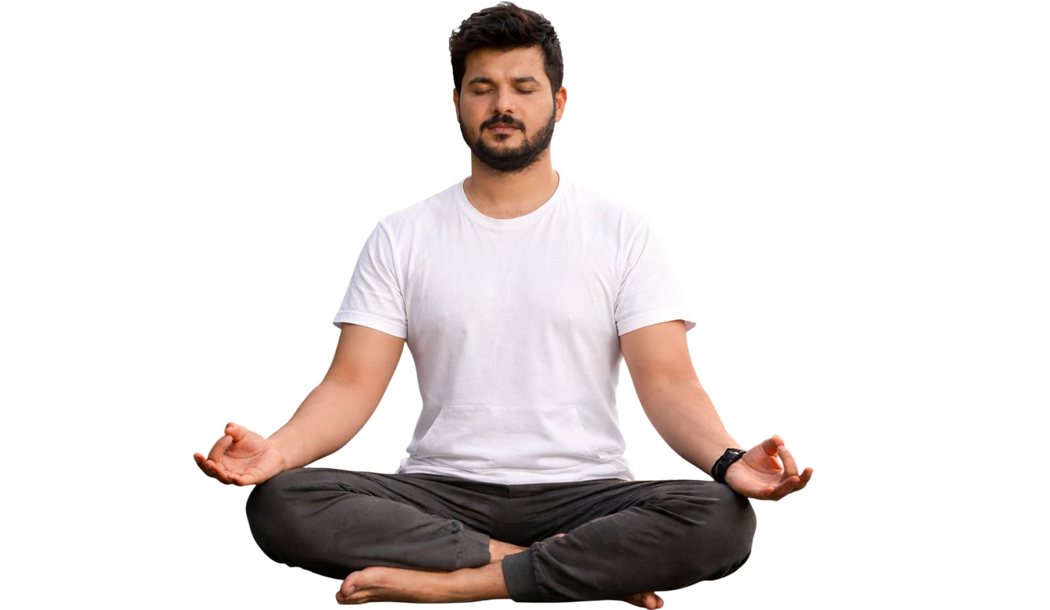
Yoga is a transformative practice combining physical postures (asanas), breathing techniques (pranayama), and meditation, frequently resulting in improved flexibility, increased strength, reduced anxiety, and enhanced mental clarity..
Yoga
Yoga is an ancient Indian holistic discipline aimed at uniting the body, mind, and spirit to achieve harmony and self-realization. Rooted in the Sanskrit word "yuj" (to unite), it incorporates physical postures (asanas), breathing techniques (pranayama), and meditation to improve physical health, mental focus.
- Increased Flexibility & Strength
- Improved Heart Health
- Chronic Pain Relief
- Better Balance & Mobility
- Better Respiratory Function

Meditation
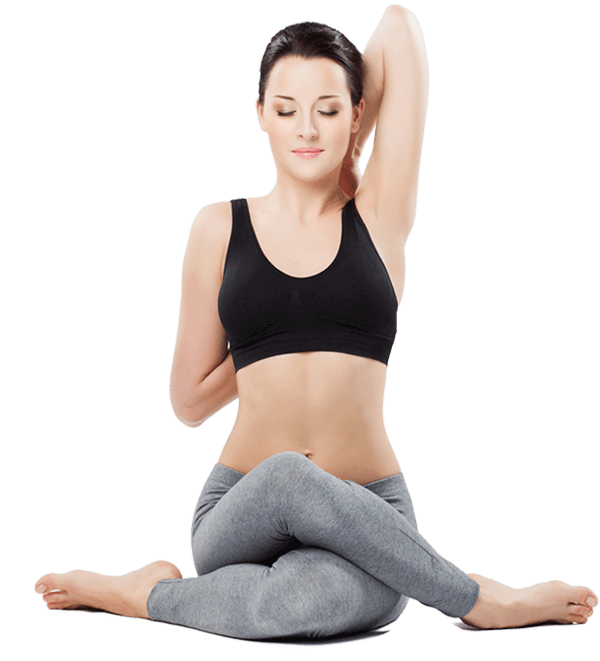
Meditation is a practice of training awareness and achieving a calm, clear, and emotionally stable state, often by focusing on the breath, a sound, or an image. It is a mind-body technique that involves observing thoughts without judgment to reduce stress
- Reduces Stress
- Controls Anxiety
- Enhances Emotional Stability
- Boosts Self-Awareness
- Improves Mental Clarity
Reasons to Join Us

Be Calm
Reduce Stress
Improve sleep quality
Learn Powerful breathing techniques

Become Flexible
Increase the flexibility of muscles
Heal stiffness & tightness in the body
Reduce Joint pains

Burn Fat
Burn extra calories
Learn techniques to maintain weight
Get Stronger
Our Classes
Yoga is commonly believed to be a physical practice. While asanas (postures) are important, yoga is a vast and deep subject that can dramatically improve the quality of our lives.
Mantra & Mantra Chanting Mantra
A mantra is a collection of words containing specific sounds and vibrations, passed down by ancient yogis and seers. It provides significant physical, mental, and spiritual benefits. Various types of mantras are available, each serving different purposes. You will be learning.
- What is Mantra
- Benefits of Mantra
- Art and science of Mantra
- Mantra and its power
- Sound vibration
- Mantra Chanting
You’ll be introduced to various mantras that guide you on an inner journey. These mantras encourage healing, create positive vibrations within the body, and bring calmness to the mind.
To name a few:
- Aum mantra
- Guru Mantra
- Shiva Mantra
- Gayatri Mantra
- Astanga Vinyas Mantra
- Kundalini Mantra
Hatha Yoga
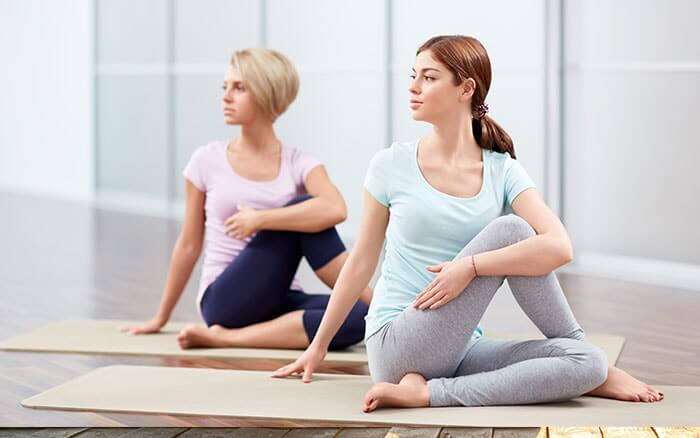
At Rishikesh Yog Kendra Yoga School, we teach the ancient Hatha Yoga style practiced by Himalayan Masters for centuries. In our classes, you can adapt your practice to your own strength and flexibility. The main aim is to help you achieve good health and a peaceful mind. Below is the list of asana series you’ll be practicing:
- Pavan Muktasana series 1 (15 practices)
- Pavan Muktasana series – 2 (10 practices)
- Pavan muktasana series – 3(10 practices)
- MCentering postures series(5 practices)
- Surya Namaskar (12 asana series)
- Chandra Namaskar (12 Asana Series)
- Standing postures series(10 practices)
- Kneeling postures series(5 practices)
- Sitting Postures series(10 practices)
- Forward bending postures series(5 practices)
- Backward bending postures series(5 practices)
- Supine postures series(6 practices)
- Prone Postures series (5 practices)
- Fire Series series(5 practices)
- Inversions series(5 practices)
- Twisting postures series(5 practices)
- Balancing Postures series(5 practices)
- Relaxing Posture series(5 practices)
- Meditative Asana Series(5 practices)
Understanding the theory is as crucial as the practice itself. Without a proper grasp of it, your performance may suffer. At Rishikesh Yog Kendra, our teachers provide a foundation for understanding the why, how, when, and what of each asana. To delve deeper into the postures, it requires self-motivation on your part. Here are the some of the theories you will be learning;
- Principles of Hatha Yoga
- Ancient Scriptures of Hatha Yoga
- Antique Hatha Yoga Scriptures
- Yoga as a Therapy
- Yoga as Balancing
- Relationship between Hatha Yoga and Chakras, Nadis, Kundalini, and the Subtle Body
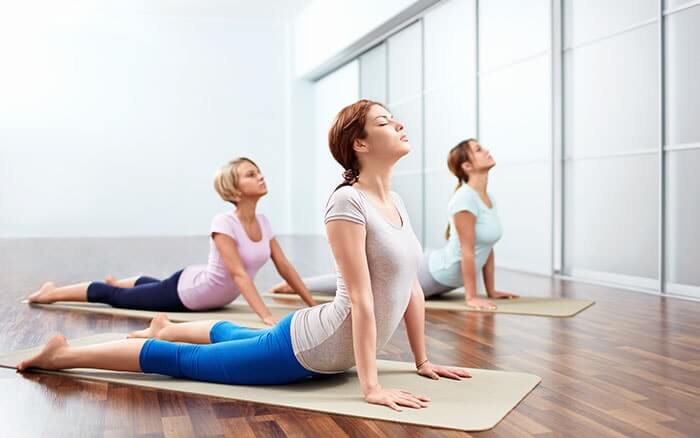
Vinyasa Flow
What is Vinyasa Flow, and what sets it apart? Explore the distinctions between Vinyasa and Vinyasa Flow. Discovering the origins of Vinyasa Flow: An introduction to its roots and development. Unraveling the appeal of Vinyasa Flow within the realm of diverse yoga classes. The art of teaching Vinyasa Flow: Overcoming the challenges and addressing the complexities of instruction. Crafting sequences for varied class structures: A guide to structuring and teaching diverse Vinyasa Flow classes. Exploring alternative class structures: Delving into the considerations that prompt a reevaluation of traditional formats. Navigating the teaching process: General guidelines for duration and strategies to identify and correct undesirable habits in asanas.
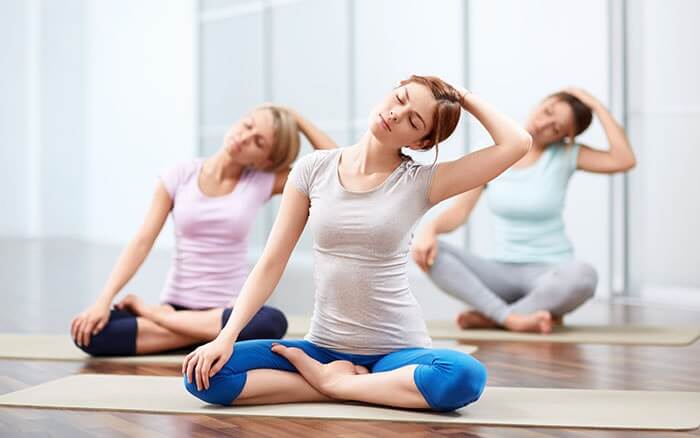
Pranayama
Pranayama is the central practice in traditional yoga. Many people misunderstand Pranayama as the breathing practice only, but it is something more. In this class you will learn the secret of pranayama and how it leads us to health, peace, happiness, balance and awakening of kundalini.
- Week 1: Building strength in your system and a step by step understanding of Pranayama.
- Week 2: Move towards from beginning to a deeper understanding of Pranayama and practices.
- Week 3: Move towards advancing the practices with holding the breath and breathing with chakra awareness. Here Are The Topics You Will Be Learning For Study Of Pranayama:
- What is Prana
- What is Pranayama
- What is breath and connection with the Prana
- Importance and benefits of Pranayama
- How to prepare ourselves to practice them
- Ancients Texts of Breathing
- General understanding
- Understand all about nostrils & how to activate them
- Secrets of Pranayama
- Breath flow in 5 elements
- Unit of Prana
- Function of Prana
- Three levels of Prana
- Three Gunas
- How does prana flow
- Quality of breath
- Imbalance of Prana
- Retention of breath
- 6 Sitting positions for Pranayama practices
- Breathing pattern
- Prana connection with chakras and Kundalini
- Beginners And Intermediate Practices
We will include the practice for over 10 prana practices which include:
- NadiShodan
- AnulomaViloma
- Bastrika
- Kapalbhati
- Brahmari
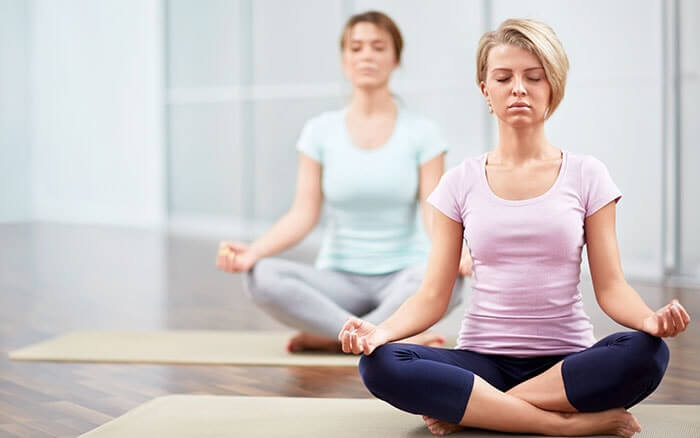
Meditation(Dhyana)
After stabilizing your posture with Asana, purifying your energy through Pranayama, and mastering control over your senses with Pratyahara, you’ll enhance your ability to focus the mind. The journey into meditation begins with concentration practices, and our 200-hour YTTC equips you with effective techniques to build a strong foundation, enabling you to cultivate heightened concentration and awareness.
In this 04-week program, you’ll grasp the fundamentals and progress to intermediate levels of meditation preparations and techniques. Each day, you’ll gain a deeper understanding of how to perform them and start experiencing their benefits.
Week 1: Developing Foundation
Week 2: Developing one-pointed focus, different types of concentration techniques, and visualization exercises
Week 3: Meditation Techniques, Also Chakra Awareness and Kundalini Meditation
What You Will Be Learning:-
- Introduction to Meditation
- History of Meditation
- Preparation to Meditation
- What is Meditation and what it is not
- Why- How- Where- When Meditation
- Philosophy of Meditation
- Meditation Traditions
- Meditation Scriptures
- Aim and Objectives of Meditation
- Sitting Positions
- How to Sit Correctly
- Preliminary Practices Before Practicing Meditation
- Role of Diaphragmatic Breathing in Meditation
- Correct Breathing in Meditation
- How to Relax in Meditation
- Lifestyle- Diet- Sleep- Sex- Job- Rules in Meditation
- Styles Of Meditation Practices
- Himalayan Meditation Practices
- Nada Meditation Practices
- Active Meditation Practices
- Tantra&Kundalini Meditation Practices
- Mantra &Kirtan Meditation Practices
- How to Do Japa (recitation)
- Silence Practice
- Silence Meditation
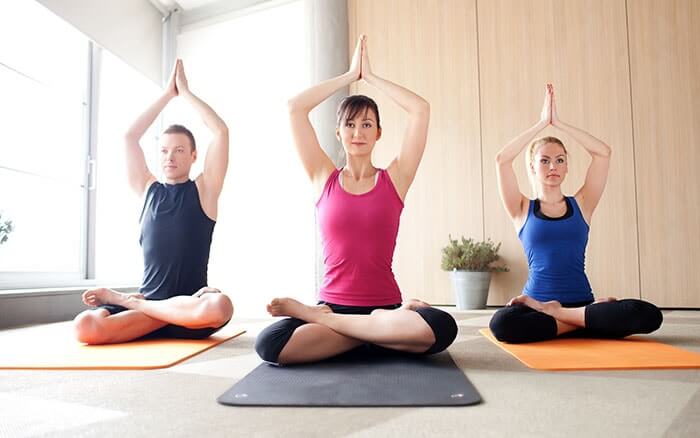
Yoga Cleansing (Shatkarma)
The body produces toxins at all times and we need to cleanse our bodies accordingly. Proper ablution, urination, cleaning nostrils, ears, eyes, skin, tongue, and other organs are very important for good health. These are physical, mental, emotional, al, and spiritual cleansing. In the beginning, yoga practitioners should follow six practices (Sat-Karma) by which they can unblock the channels for higher experiences. With your 200-hour YTTC, you will learn these cleansing practices. You will also learn the basic theory of the following;
- What is Satkarma
- Benefits and Risks
- Who Should and Should Not Practice It
- Experiences
- Preparation to Satkarma
- Practices After Completing It
- Nadi Cleansing
- Practices That You Will Learn
- Jiwa dhauti
- Data-Dhauti
- Karna-Dhauti
- Rubber-net.
- Jalaneti.
- Kapalbhati.
- Agnisara
Book your 7 Days Free Online Yoga Classes